Scrollwork Styles for Hyde Park and Clarksville Homes
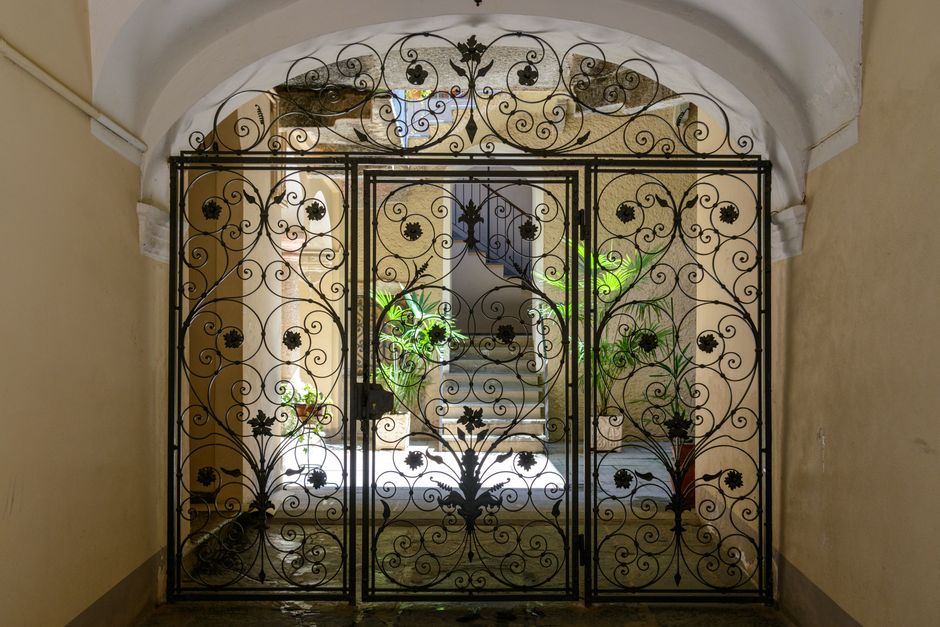
Nothing about a gate on an old street should announce itself, and ornament scale goes wrong so often because that is forgotten. A heavy scroll panel that suits a ranch estate overwhelms a small bungalow porch in Austin, TX, and the running record wrought iron gates austin rex theater galax holds shows the same mistake repeating, usually with good iron and the wrong proportions. The goal is a gate that looks as though it was hung the year the house was finished.
Read the house before drawing the gate

Bungalows and cottages in Hyde Park and Clarksville tend to have narrow lots, shallow front yards and a porch rail with its own rhythm. The gate takes its cue from that rail. If the porch uses plain square pickets on tight centers, a gate with open C-scrolls and wide gaps will look borrowed from somewhere else. Match the bar size, match the top line, and let the ornament sit in a single band rather than across the whole panel.
Scroll families and where they belong

Simple S-scrolls and paired C-scrolls fit most pre-war cottages, because they echo the hand-forged work common to the period. Tighter spirals and basket twists read as a later, more formal taste. Cast leaf and flower castings are another matter. They suit a grander Travis Heights house better than a modest Clarksville cottage, where a forged tip and a plain collar look right. When two scroll families share one gate, the panel starts to look assembled from a catalog.
Finials are the punctuation
A finial caps the top of each picket or only the posts, and the choice changes the whole mood. A spear point looks crisp and a little military. A ball or a flattened bud softens a gate for a cottage garden. Crowding every picket with a finial makes the top rail busy, so many old gates alternate, with a finial on every third or fourth bar and plain tips between. The caps are welded on and ground smooth at the collar so no gap holds water and starts rust underneath.
Picket spacing and sightlines
Picket centers set the feel as much as any scroll. Tight spacing reads as solid and private, wider spacing lets the garden show through. The crew checks how the gate looks from the sidewalk at a walking angle, since a straight-on drawing hides how pickets stack against each other.
Keeping the original character sound
Where an old gate still exists, repair is often a better route than replacement. A sound frame in wrought iron with a few rotted bars can be cut and rebuilt around the original scrollwork, and a fresh coat of paint over cleaned steel brings the pattern back. In a historic district the visible profile counts for more than any new material, so bar thickness and weld style are matched to what the house already wears.