Matching New Iron to an Old Gate Section
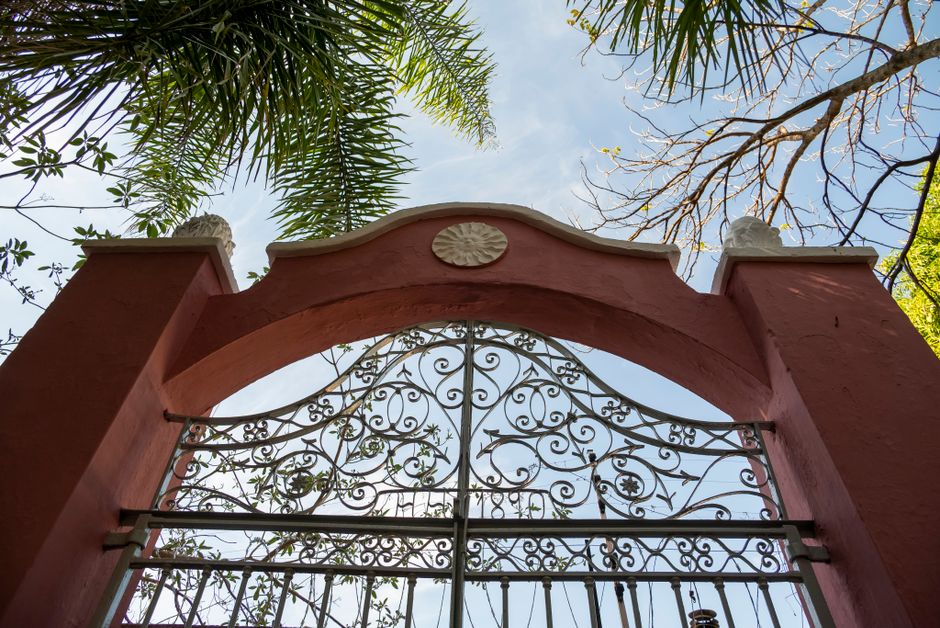
Nothing is more obvious on an old gate than a repair that does not match, and nothing is harder to hide than a bar that is a hair too thick. For Austin, TX, work booked through wrought iron gates austin rex theater galax is measured that way, with a caliper held against the original bar before anything is cut (the same applies in Tarrytown and Mueller as in older blocks). A good repair disappears once it is painted, and a poor one stays visible for the life of the gate.
Cutting out what is gone
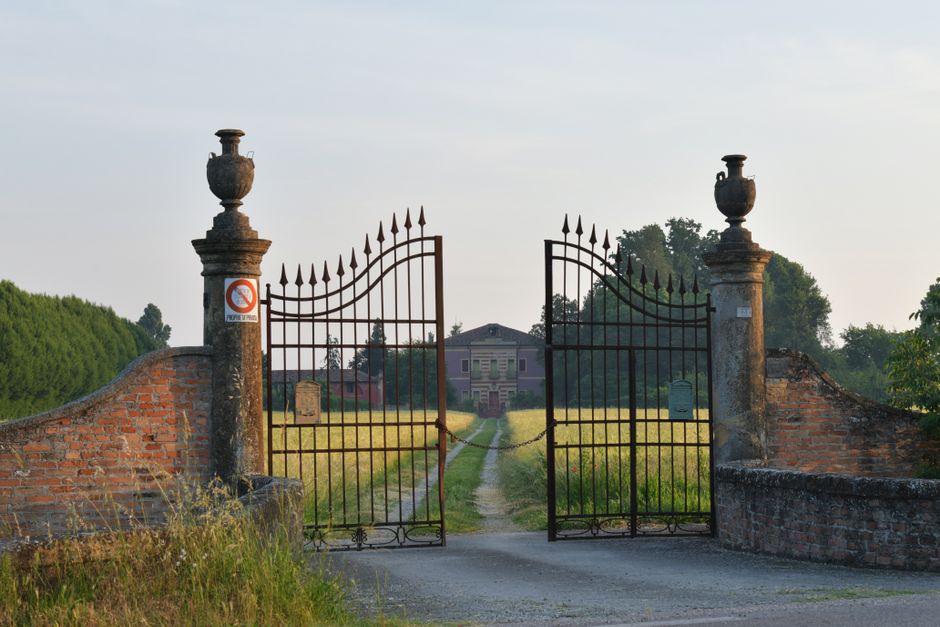
The first job is deciding how much metal is bad. Tap along each picket with the handle of a hammer. A sharp ring means sound metal, and a dull thud means the wall has rotted from the inside. Rotted pickets are cut at sound steel with a thin disc, a little beyond the visible damage, so the weld lands in healthy metal. Removing too little leaves a weak joint that fails next to the repair.
Matching bar, scroll and finial
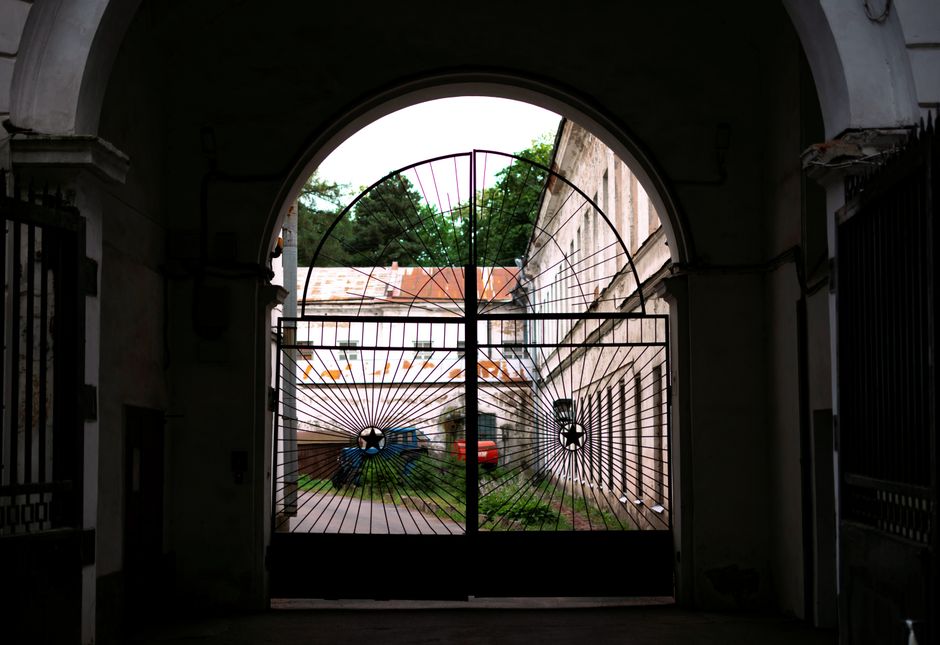
Old wrought iron is rarely a standard stock size, so modern bar stock is the closest match rather than an exact one. The crew compares thickness, corner radius and surface texture, and then hand-forms new scroll to the original profile by bending it around a template made from the existing curl. Finials are matched from a rubbing or a paper tracing. A cast finial is hard to find, so a new one is often forged or ground from solid stock to the same silhouette.
Welding and grinding
A weld in thin ornamental bar needs low heat, because too much distorts the neighbouring scrolls and burns through old metal. The crew welds in short runs and lets the iron cool between them. Once the joint is full, a flap disc takes it flush, and a file blends the last of it so the seam follows the original contour. A weld ground too aggressively thins the bar, so the grinder only removes the bead and leaves the bar thickness alone.
Priming bare steel quickly
Ground steel starts to rust within hours in humid air, and the nights along the Colorado River and Lady Bird Lake leave a film of dew on bare metal. Primer goes on the same day, brushed into the edges of the weld and the cut ends. A rust-inhibiting primer on the new bar and a spot coat over the old paint edges stops a visible halo from forming around the repair.
Blending the repair into the whole
Once the pieces are primed, the entire gate takes a fresh finish coat so the old and new sections age together. A patch of new paint on an old gate will always read as a patch. Painting the full leaf, hinges and frame in the same color and sheen is what makes a repair look like original work instead of an addition.