Preparing Old Iron Gates for Repainting in Austin

Two wrought iron gates that look equally tired from the street can need very different amounts of work once a wire brush touches them. One has chalky paint over sound metal, the other has scale lifting under the finish at every picket base, as the notes at wrought iron gates austin rex theater galax describe for Austin, TX. The surface under the paint decides whether a new coat lasts three summers or three months.
Start by sorting sound paint from failing paint
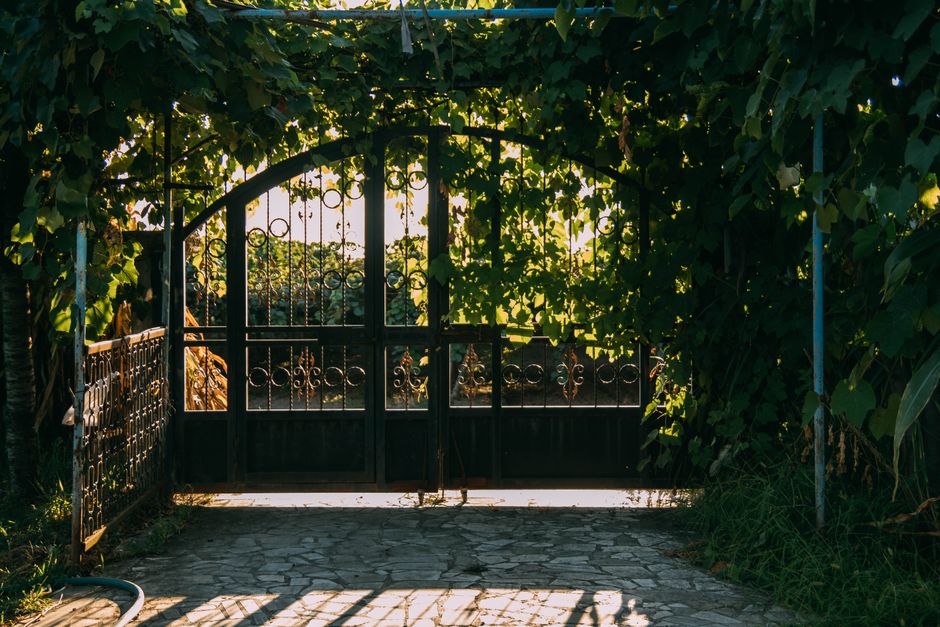
Run a putty knife along the lower rail and the bottoms of the pickets. Paint that holds against the blade stays, and only needs scuffing so the next coat can grip. Paint that lifts in sheets, or comes away with a brown crust behind it, has to go down to bare steel. Old gates in Hyde Park and Clarksville often carry six or seven layers from different decades, and the thick ridges between them show through any new finish unless the edges are feathered smooth.
Where the wire brush earns its keep
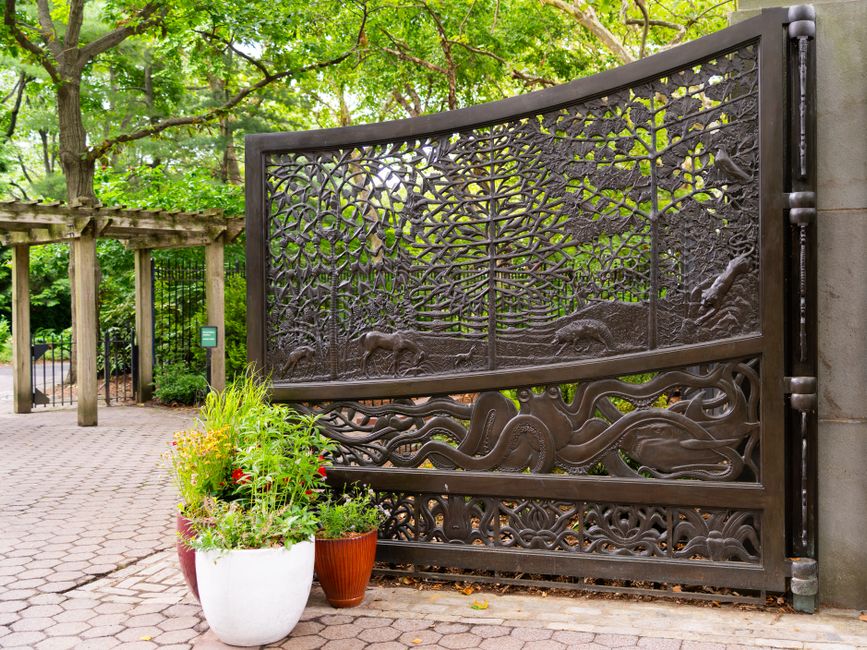
Scrollwork traps moisture in the curls, so the rust there is rarely on the surface. A handheld brush clears the open faces. A small rotary wire wheel gets into the tight coils, and a pick or an old screwdriver cleans out the pockets where two scrolls meet. The crew works toward the joints, because the weld seams and the collars around each finial are where scale builds first. A flap disc is fine on flat bar and rails, but it will gouge cast ornaments, so those get hand work.
Heat, dust and the order of the day
Austin summers bake dark iron well past the point where primer behaves. Steel in direct sun can flash dry a coat before it levels, which leaves brush drag and thin spots. Prep in the cool morning, prime once the metal has dropped to a touch you can hold a hand against, and keep the gate out of the afternoon glare until the film has cured.
Primer goes on bare metal the same day
Bare steel flashes orange within hours when the air is humid, and nights near Lady Bird Lake and the Colorado River are often damp enough to do it. A rust-inhibiting primer is brushed into every bare patch before the day ends, with extra pressure at the pocket joints, the hinge knuckles and the underside of the bottom rail, where water sits.
The finish coat and what to leave alone
Two thin coats of a flexible enamel outlast one heavy coat. Each coat needs the time on the can, and the gate should not be closed against its post while the paint is tacky, or the latch side peels off with it. Hinges and the gate post are masked or painted separately so the pins stay free. Where the old work already has a baked powder coat in good condition, a light scuff and a compatible topcoat is gentler than stripping the whole frame back to steel.